


 729 Canning Hwy, Applecross WA 6153
 1300 108 133


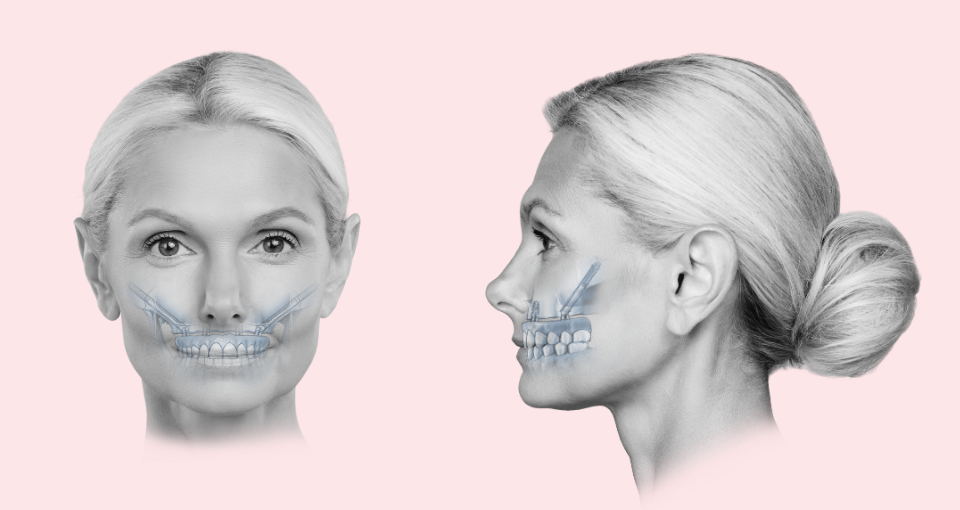
All-on-4® Solutions With Zygomatic Implants
 November 23, 2026
7 minute read
Yes, dental implants are often still possible with bone loss. If you've lost a lot of bone in your upper jaw, All-on-4® treatment can be combined with zygomatic implants. These longer implants anchor in your cheekbone rather than the thin jawbone. For suitable clients, PDIC can fit a fixed temporary bridge the day after surgery. Your dentist will confirm whether this timeline is appropriate. A 3D scan confirms whether it suits you.
Being told you don't have enough bone for implants can feel like the end of the road. It often isn't. If you've been researching full mouth dental implants, bone loss and what's possible, you're not alone. It's one of the most common situations we help with at our clinic.
Even after years of missing teeth, bone loss, denture wear or a failed bone graft, advanced techniques may still make fixed teeth possible. This guide explains how All-on-4® with zygomatic implants works, how it compares with pterygoid implants and bone grafting, and why a second opinion from an experienced implant team matters.
Been told you're not suitable for implants? Our team can review your existing X-rays or scans.
Why does bone loss affect dental implants?
Your jawbone needs the stimulation of tooth roots to stay strong. When teeth are lost, the bone gradually shrinks. Long-term tooth loss, gum disease and years of wearing dentures can speed up bone loss.
The upper jaw is often affected most. Its bone is naturally softer, and the air sinuses above your back teeth can drop into the space where bone used to be. This can leave too little height or width to hold standard implants securely. Learn more about missing teeth solutions for bone loss.
Dental implants and bone loss: can you still have implants?
Often, yes. Bone loss doesn't automatically rule out fixed teeth. Depending on how much bone remains, your options may include:
- angled or additional implants that use the strongest available bone
- bone grafting to rebuild bone before or during implant treatment
- pterygoid implants anchored in dense bone at the back of the upper jaw
- zygomatic implants anchored in the cheekbone
- a combination of these
Different clinics may offer different solutions depending on their experience and technology. That's why being told "no" once isn't always the final answer.
What are zygomatic implants?
Zygomatic implants are longer dental implants that anchor in the zygomatic (cheek) bone, instead of relying only on the upper jaw (maxilla). The cheekbone is dense and usually retains its strength even when the jawbone has shrunk.
Zygomatic implants are used only in the upper jaw in full mouth dental implant treatment, for selected clients with severe bone loss. They’re also often called zygoma implants.
Who may be suitable for zygomatic implants?
Zygomatic implants may be worth exploring if you:
- have been told there isn't enough bone in your upper jaw for traditional implants
- have worn an upper denture for many years and it no longer fits well
- had a bone graft that didn't succeed
- want fixed teeth without waiting many months for grafts to heal
Your suitability depends on your general health, bite, sinuses and whether you smoke. That's why a full 3D assessment comes first.
How do zygomatic implants work with All-on-4®?
All-on-4® supports a full arch of fixed teeth on four implants. When the back of your upper jaw has too little bone, zygomatic implants can take the place of the back implants, while standard length implants support the front. If your plan uses more than four implants or a different system, it may be described as All-on-X or full mouth dental implants. Read more about zygomatic and pterygoid implants at PDIC.
Zygomatic vs pterygoid implants vs bone grafting
Each option has a different role. Your scans show which suits your anatomy.
| Option | Where it anchors | When it may be considered | Things to know |
| Zygomatic implants | The cheekbone | Severe upper-jaw bone loss or a failed graft | Needs careful planning and an experienced team; sinus risks |
| Pterygoid implants | Dense bone behind the upper jaw | Bone loss at the back of the upper jaw | May avoid the need for a sinus lift; suitability depends on your anatomy |
| Bone grafting or sinus lift | New bone built up in the jaw | Moderate bone loss, or to support future implants | Can add several months before your final teeth |
| Combination | Several of the above | Complex cases | Planned using 3D imaging |
Bone grafting isn't outdated. It remains a reliable option for many clients. Zygomatic and pterygoid implants may reduce or avoid the need for extensive grafting in some upper-jaw cases, but it always depends on your individual anatomy. Learn more about bone grafting and why additional or longer implants may be needed.
Find out which option may suit your jawbone with a free implant consultation and diagnostic scan, valued at up to $609. Available to new clients. A 3D scan is included where clinically required. There’s no obligation to proceed with treatment. Book your complimentary dental implant consultation and 3D scan today or call 1300 108 133.
What happens during zygomatic implant treatment at PDIC?
- Consultation and 3D assessment. We review your health history and take a 3D CBCT scan and facial scan to measure your bone, sinuses and bite.
- Digital planning. We preplan each implant position and design your new smile before surgery.
- Implant surgery. For suitable clients, our specialist anaesthetist provides deep IV sedation or general anaesthetic, so you sleep through treatment and wake with no recollection of it. Pterygoid and zygomatic implants are placed at the same time as your All-on-4® surgery. In some cases, an oral and maxillofacial surgeon may work with our team to place your zygomatic implants.
- Fixed teeth the next day. Your dental surgeon fits a fixed temporary bridge made of PMMA acrylic, the day after surgery. This bridge is worn while your mouth heals.
- Your long-term bridge. Your implants fuse with the bone over the following months. We generally fit your long-term zirconia bridge after about three to four months. Some clients keep their temporary bridge longer, and it may typically last around one to two years with proper care.
Detailed planning helps us assess your options and prepare for complex treatment. As Dr Norcross explains while describing a recent full-arch case at our clinic:
“We can combine that with the 3D x ray, the face scan, our planning. And that allows us to pre-design the new teeth.” Dr David Norcross, from PDIC's video A Complex All-on-4® Full Arch Rehabilitation (2:47).
You can see the full step-by-step timeline in All-on-4® teeth in 24 hours: our process, and read more about sleep dentistry at PDIC.
What is recovery like after zygomatic implants?
Recovery varies with the extent of surgery and your health. Swelling, bruising and tenderness are common in the first week or two, and bruising can extend to the cheeks. You'll follow a soft-food diet while your implants heal, and we'll give you clear instructions for cleaning and sinus care. Regular review visits help us check that you're healing well.
How successful are zygomatic implants?
The evidence is encouraging. The 2023 ITI consensus report found mean long-term zygomatic implant survival of 96.2% over an average follow-up of about six years. Sinusitis was the most common complication, at around 14%.
For pterygoid implants, a systematic review of six retrospective studies reported mean survival of 94.87% across 1,893 implants.
What are the risks of zygomatic implants?
Like all surgery, zygomatic implant treatment carries risks. These can include:
- swelling, bruising and discomfort
- sinus inflammation or infection (sinusitis)
- altered sensation in the cheek or lip
- gum or soft-tissue problems around the implants
- implant or bridge complications that need repair
Your dentist will explain both general and specific risks and any treatment alternatives before you consent. Read more about treatment considerations and risks.
How much do zygomatic implants cost?
The cost depends on how many implants you need, the type of implants, imaging, sedation option and the number and type of bridges included. We'll give you a clear quote after your assessment. See our current prices for All-on-4® and full mouth dental implants.
Why get a second opinion from an experienced implant team?
If you've been told you're not suitable for implants, a second opinion is worth considering, especially after a failed bone graft or conflicting advice. Complex cases depend on detailed planning, experience with advanced techniques and the right technology. At PDIC, that includes:
- a dedicated implant and surgical centre focused on advanced full-arch rehabilitation
- Dr Dave Norcross and Dr David O'Dowling, each with 20 years' experience and advanced implant training
- All-on-4® Centre of Excellence provider
- 3D imaging, facial scanning and an onsite dental lab for integrated quality control
- a dedicated treatment coordinator to guide you from beginning to end
- a 10-year warranty on implants, 5-year warranty on zirconia bridges and 12-month warranty on your initial acrylic bridge
- tele-consultations, so you can send existing X-rays or scans from regional WA or interstate
How to get a second opinion from PDIC
You don't need to start from scratch. If you already have a CBCT scan or X-rays from another clinic, you can send them to us through a tele-consultation. We'll review them and talk you through your likely options before you visit. A formal treatment plan still needs an in-clinic examination and up-to-date 3D scan, but this first step can save you time, especially if you live outside Perth.
Bone loss doesn't have to mean no implants
Dental implants and bone loss often go together, and advanced options such as zygomatic implants mean many people who were told "no" may still be suitable for fixed teeth. The first step is a detailed 3D assessment with an experienced team, so you can understand every option before you decide. Let's look at what's possible for your smile, book your free dental implant consultation today or Call 1300 108 133 or send us your X-rays for a second opinion.
Frequently asked questions
Can I have dental implants if I have severe bone loss?
Possibly. Severe upper-jaw bone loss can limit standard implants, but it doesn't always rule out fixed teeth. Depending on your scans and health, options may include angled implants, bone grafting, pterygoid implants, zygomatic implants or a combination. An individual 3D assessment shows what's suitable.
What are zygomatic implants?
Zygomatic implants are longer dental implants that anchor in the cheekbone instead of relying only on the upper jaw. They can help support a fixed full-arch bridge when severe upper-jaw bone loss prevents standard implants from being placed securely.
Do zygomatic implants avoid bone grafting?
They may reduce or avoid extensive upper-jaw grafting for some clients, because they use dense bone in the cheekbone. However, grafting or another implant type may still be recommended for part of the jaw. A CBCT scan is needed to compare your options.
Will I have teeth straight after zygomatic implant surgery?
Yes. At PDIC, you'll receive a fixed temporary bridge the day after zygomatic implant surgery, so you won't go without teeth while you heal. Your long-term bridge is generally fitted after about three to four months, once your implants have fused with the bone.
Can zygomatic implants be used in the lower jaw?
No. Zygomatic implants anchor in the cheekbone, so they're only used in the upper jaw. If you have bone loss in your lower jaw, other options such as angled implants or bone grafting may be considered after a 3D assessment.
References
1. Al-Nawas B, Aghaloo T, Aparicio C, et al. ITI consensus report on zygomatic implants: indications, evaluation of surgical techniques and long-term treatment outcomes. Int J Implant Dent. 2023. 2. Araujo RZ, et al. Clinical outcomes of pterygoid implants: systematic review and meta-analysis. J Craniomaxillofac Surg. 2019


Book a Free Consultation
We provide high-quality treatment at competitive prices with our highly experienced dentists. Find out if dental implants are right for you. Book your free consult & 3D scan today. T&Cs apply.