


 729 Canning Hwy, Applecross WA 6153
  1300 108 133

The Top 20 FAQS on Sleep Dentistry Perth
 September 1, 2026
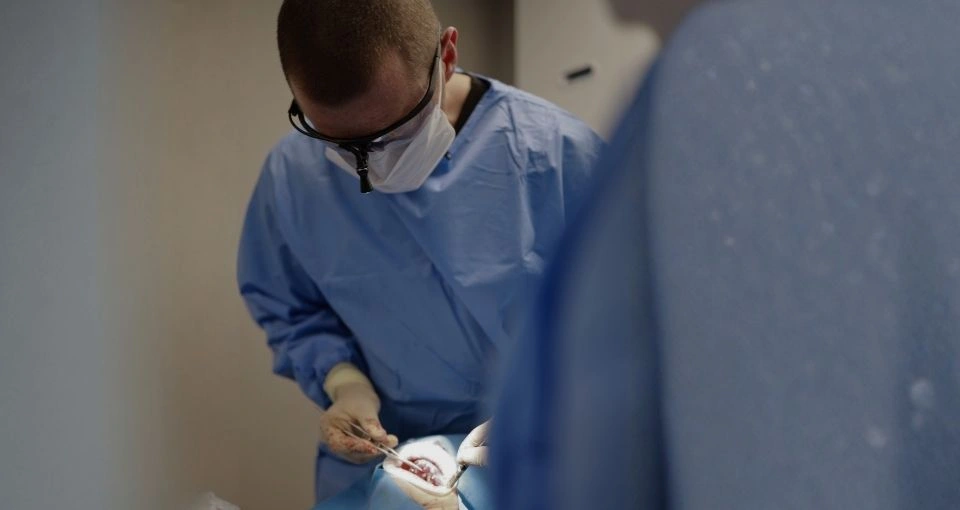
At PDIC, sleep dentistry Perth usually refers to a deep form of IV sedation that’s administered and monitored by a specialist anaesthetist at our Applecross clinic. It’s intended to allow suitable clients to sleep through treatment and wake with no recollection of the procedure.
PDIC also uses local anaesthesia, oral sedation, inhalation sedation, and general anaesthesia where appropriate. The recommended option depends on the client’s medical history, comfort needs, treatment complexity and expected treatment duration.
Sleep Dentistry Perth at PDIC
Sleep dentistry (also known as sedation dentistry) describes dental treatment carried out with medication to reduce anxiety and awareness. If you are considering sleep dentistry in Perth because of dental anxiety or a longer treatment, our team at Perth Dental Implant Centre (PDIC) can discuss options that suit your health, comfort, and treatment needs. Options at PDIC include local anaesthesia, oral sedation, inhalation sedation (happy gas), intravenous (IV) sedation and general anaesthesia.
At PDIC, sleep dentistry most often refers to deep IV sedation administered at our Applecross clinic by our specialist anaesthetist. With IV sedation, clients sleep through treatment and wake with no recollection. General anaesthesia is a form of sedation where a client is treated in an unconscious state at Southbank Day Surgery. We tailor your sedation plan to your treatment needs, medical history, and comfort level, creating a personalised experience from start to finish.
Australian research involving 7,312 people found that 16.1% of participants reported high dental fear (1). A later Australian study estimated the prevalence of high dental fear between 7.8% and 18.8%, depending on the measure used (2).
Sedation is tailored to your treatment plan and common alongside treatments such as full-mouth dental implants, All-on-4® treatment or wisdom tooth removal. PDIC is also co-located with Revive Dental, allowing clients who need general, restorative, or preventive dental care to access coordinated treatment under the same roof.
Have questions about sleep dentistry?
Talk with the PDIC team about sedation options for dental implants or wisdom tooth removal.
Understanding sleep dentistry
FAQ 1: What is sleep dentistry?
Sleep dentistry refers to dental treatment that’s carried out with medication to help anxious or apprehensive clients feel more at ease. Commonly referred to as sedation dentistry, it includes options ranging from oral sedation to intravenous (IV) sedation to suit varying comfort levels and for various treatments.
At PDIC, we use a deep form of IV sedation where clients can sleep through treatment and wake with no recollection of the procedure. A specialist anaesthetist administers and monitors the sedation.
IV sedation and local anaesthesia perform distinct roles. Local anaesthetic is also used to numb the treatment area. Learn more about sleep dentistry at PDIC.
FAQ 2: Is sleep dentistry the same as IV sedation?
Not always. Many dental clinics use “sleep dentistry” as a broad term for various sedation levels. Dentists typically choose a type and level of sedation based on the client’s health and comfort needs, as well as the complexity and expected duration of the treatment. At PDIC, it most often refers to dental treatment performed under a deep form of IV sedation at our Applecross clinic, where the intended experience is that the client sleeps through treatment. For clients who are comfortable having dental treatment and are having a simple or shorter procedure, our dentists may recommend oral sedation.
FAQ 3: Are you actually asleep during IV sedation?
Yes. At PDIC, we use a deep form of IV sedation that allows clients to sleep throughout treatment, with no recollection of their procedure once they wake.
Although the experience may feel like being completely asleep, IV sedation is different from general anaesthesia. Our specialist anaesthetist monitors you and adjusts the sedation according to your treatment needs.
FAQ 4: What does IV sedation at the dentist feel like?
The specialist anaesthetist administers the IV medication through a small cannula, typically inserted into the arm or hand. Clients become drowsy and fall asleep after medication is administered.
At PDIC, the intended experience is that clients sleep through treatment rather than remain semi-conscious. IV sedation can be used for any type of treatment but is often considered for long treatments such as full-mouth rehabilitation. For many clients, the next clear memory is waking after treatment.
The effects of the sedative take time to wear off, and you may feel groggy or tired afterwards. You will be monitored until the clinical discharge criteria are met and must then go home with a responsible adult.
FAQ 5: Will I remember anything after IV sedation?
No. At PDIC, we use a deeper form of IV sedation designed to ensure you have no recollection of your dental treatment. Temporary amnesia is an expected effect of the level of sedation we use.
Everyone responds differently to sedation, and the level required can vary depending on the individual and the procedure. Your anaesthetist will carefully determine and manage the appropriate level of sedation to ensure you remain comfortable throughout your treatment.
Sedation options at PDIC
FAQ 6: What is the difference between IV sedation and general anaesthesia?
Both sedation options allow you to sleep through treatment, but IV sedation and general anaesthesia are different in five ways.
Key differences between IV sedation and general anaesthesia
| Aspect | IV Sedation at PDIC | General anaesthesia |
| Client Experience | Asleep during treatment | Unconscious throughout treatment |
| Memory | No recollection | No awareness |
| Where PDIC provides it | At our Applecross clinic. | At Southbank Day Surgery in South Perth. |
| Administration | Specialist anaesthetist at our clinic | Specialist Anaesthetist in a day-surgery setting |
| After the appointment | A responsible adult is required; do not drive or operate machinery for 24 hours. | A responsible adult is required; avoid driving or operating machinery for up to 48 hours |
The Australian Dental Association distinguishes deep sedation from general anaesthesia according to factors including responsiveness, protective reflexes, and airway management.
FAQ 7: Do I still need local anaesthetic if I have IV sedation?
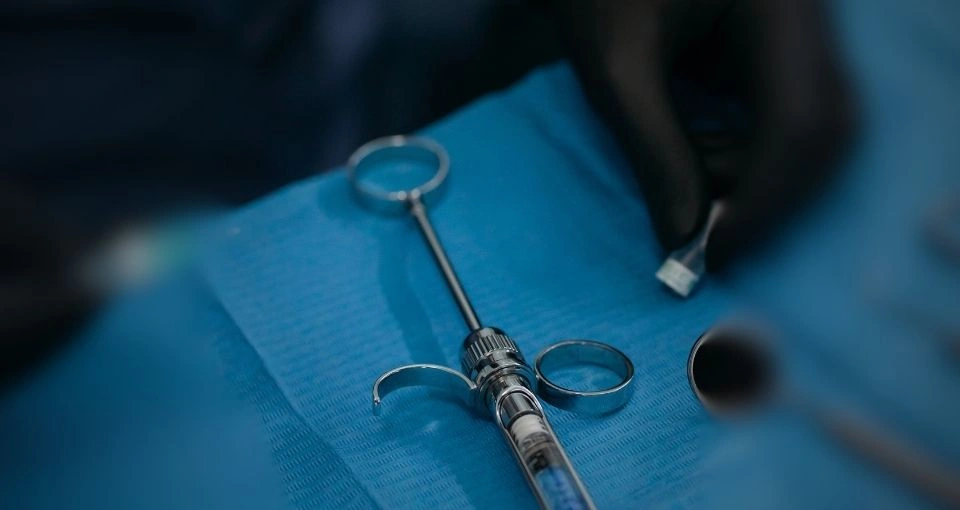
Usually, yes. When treatment is performed under oral or IV sedation, local anaesthetic is also used to numb the treatment area. This is because IV sedation and local anaesthesia work differently. IV sedation changes awareness but does not replace local anaesthesia. Local anaesthetic is used to numb the treatment area.
Local anaesthetic helps manage sensation during the treatment and continues to work as the sedative wears off. It can be administered before or after the client has fallen asleep, depending on the treatment plan. Our anaesthetist and dentists will determine the appropriate sedation plan based on your individual needs.
FAQ 8: Who is suitable for sleep dentistry Perth?
At Perth Dental Implant Centre, we offer tailored sedation options to your individual needs. Sleep dentistry Perth may be suitable for:
- Clients with dental anxiety or phobias
- lengthy or complex treatments
- Full-mouth or full-arch dental implant rehabilitation
- Impacted wisdom teeth requiring surgical removal
- Clients with a strong gag reflex
The right sedation option depends on more than dental anxiety alone. Your dentist will consider your medical history, medications, treatment needs, and individual comfort requirements when recommending the most appropriate sedation option for you.
FAQ 9: Can I have All-on-4® treatment under sedation?
Yes. All-on-4® or full mouth dental implant treatments are commonly performed under IV sedation at PDIC. However, not all All-on-4® clients require IV sedation. The decision is based on the client’s medical history and current medications.
For example, a client may not require IV sedation if they are undergoing a simple and predictable All-on-4® treatment. However, for more complicated or time-consuming treatments, our dentists may recommend treatment under IV sedation or general anaesthesia at Southbank Day Surgery.
FAQ 10: Can I have dental implants under IV sedation?

Yes, many clients having dental implants placed have the treatment performed under IV sedation. However, it isn’t always needed. Single-implant or simple multiple implant treatments are typically completed using local anaesthesia or combine both local anaesthesia and oral sedation.
IV sedation may be considered when a client is anxious or requires multiple treatments during one appointment. Our recommendation also depends on your health, medicines, treatment complexity, and expected treatment time.
Safety, monitoring & recovery
FAQ 11: Is sleep dentistry safe?
All sedation carries potential risks. The extent and nature of these risks depend on several factors such as the type of sedation, the client’s age and health, any medicines they are taking, the type of treatment, and the desired level of sedation.
Before recommending sedation, our PDIC team will review your medical history, and a specialist anaesthetist will conduct an appropriate pre-anaesthetic assessment. This helps the clinical team determine whether IV sedation may be appropriate for you.
The anaesthetist will monitor you throughout treatment and during recovery. They will also provide necessary post-sedation instructions for the recovery period. You will be allowed to go home in the care of a responsible adult after the recovery period.
FAQ 12: How am I monitored during sleep dentistry?
A specialist anaesthetist administers IV sedation at PDIC and monitors you throughout treatment. This includes monitoring airways, breathing, oxygen levels, circulation, and the level of sedation.
The anaesthetist will adjust the medication and provide airway or clinical support if needed. Before IV sedation, the anaesthetist reviews your relevant health information and undertakes an anaesthetic assessment. The dentist remains responsible for the dental treatment plan.
After the procedure, the anaesthetist monitors you as the sedation effects wear off.
Concerned about dental implant treatment?
Book a complimentary implant consultation and scan to discuss your sleep dentistry Perth needs and the anaesthetic options that may be available. This offer is for new clients; terms and conditions apply.
Tele-consultations are also available.
FAQ 13: Can I breathe on my own during IV sedation?
Breathing and airway requirements depend on the level of sedation and the individual client. Deeper sedation can affect protective reflexes and a person’s ability to maintain their airway. At PDIC, a specialist anaesthetist monitors the client and manages breathing and the airway as required. General anaesthesia is a controlled state of unconsciousness, during which the anaesthetist provides airway and breathing support.
FAQ 14: Are there people who are unsuitable for IV sedation?
Yes, IV sedation isn’t suitable for everyone. This may be because of age, medical condition, medicines, airway considerations or a previous reaction to sedation or anaesthesia. Pregnancy is another consideration that the dentist and anaesthetist discusses with you prior to committing to treatment.
During your pre-anaesthetic assessment, tell the anaesthetist about any health condition, allergy, medicine or supplement you take. Do not stop or change any medicine unless your regular doctor instructs you to do so.
If sleep dentistry Perth (IV sedation) isn’t appropriate, our team can assess whether another option—such as local anaesthesia, oral sedation, inhalation sedation, or general anaesthesia at Southbank Day Surgery—may be suitable.
FAQ 15: Can I drive or work after IV sedation?
You must not drive home after IV sedation or operate machinery for at least 24 hours. A responsible adult must drive you home and remain available to help you.
You should also avoid work, alcohol, important decision-making and activities requiring concentration or coordination for at least 24 hours. Rest for the remainder of the day and follow any further instructions given by your anaesthetist.
FAQ 16: How should I prepare for sleep dentistry?
Your dentist prepares your dental treatment plan, while the anaesthetist provides a pre-anaesthetic assessment and plans your sedation or anaesthetic care. They will also provide you with specific instructions, which you should follow before and after your procedure.
These instructions may include:
- Fasting for a specified duration before the procedure
- Taking your usual medicines only as directed
- Changing or delaying medicine only when instructed
- Avoiding alcohol or other substances
- Wearing comfortable clothing
- Removing contact lenses, jewellery, or make-up, if needed
- Arranging for a loved one or a responsible adult to accompany you home after treatment
- Arranging someone to stay with you overnight
Treatment & Costs
FAQ 17: What dental treatments can be carried out with sleep dentistry Perth?
At PDIC, IV sedation is commonly used for clients undergoing the following treatments:
- Single or multiple dental implant placements during one appointment
- Full-arch or full-mouth rehabilitations
- All-on-4® treatment
- Implant-supported bridges
- Bone grafting or sinus lifting
- Wisdom tooth removal
- Multiple treatments planned during one appointment
The type of treatment isn’t the only factor in determining the required sedation. Some single-tooth implant or implant-supported bridge cases may be completed with local anaesthesia alone or with local anaesthesia and oral sedation. Other, longer treatments may require IV sedation. PDIC also offers inhalation sedation (happy gas) for smaller restorative treatments.
FAQ 18: How much does sleep dentistry cost in Perth?
Sleep dentistry Perth at PDIC currently starts from $1,400 for 60 minutes. Sedation is billed by the anaesthetist according to the sedation time, and prices are subject to change. The cost is separate from the dental treatment. Applicable Medicare or private health insurance benefits depend on the client, service, and private health fund. PDIC provides an itemised treatment plan so you can review the expected costs before deciding whether to go ahead with treatment.
FAQ 19: Can wisdom teeth be removed under IV sedation?
In many cases, wisdom teeth can be removed under local anaesthesia alone. In other cases where the client has mild anxiety, wisdom tooth removal may be performed with a combination of local anaesthesia and oral sedation. However, IV sedation may be considered if the client has high anxiety or if the planned extraction is more involved.
Professional perspective
“For complex cases or nervous patients, we offer IV sedation with a specialist anaesthetist right here in our clinic…”
— Dr David Norcross (Dentist), Perth Dental Implant Centre (watch the video here)
FAQ 20: Can sleep dentistry help if I have dental anxiety or dental phobia?
Sleep dentistry Perth may make dental treatment more manageable for clients with dental anxiety or phobia. At PDIC, a deep form of IV sedation is administered so that clients sleep through treatment and wake with no recollection. It may be considered for clients who have found previous dental treatment difficult.
Sedation dentistry doesn’t cure dental anxiety or phobia, and it isn’t necessary for every anxious client. Some clients are comfortable with local anaesthesia, while others may benefit from oral sedation. For anxious clients, we may consider IV sedation or general anaesthesia. For anxious clients however, a clinical and medical assessment is required before we can recommend the most suitable option for you.
Would you like to discuss sleep dentistry Perth?
From the type of treatment to your personal comfort needs, we carefully tailor your sedation approach for a more comfortable, personalised experience. Contact PDIC in Applecross to ask about sleep dentistry Perth for dental implants or wisdom tooth treatment.
Call 1300 108 133
Send us an existing x-ray for a second opinion or ask about a teleconsultation.
References
- Australian Dental Association — Policy Statement 6.17: Conscious Sedation in Dentistry
- Dental Board of Australia — Conscious Sedation
- Armfield, Spencer and Stewart (2006) — Dental fear in Australia: who’s afraid of the dentist?
- Armfield (2010) — The extent and nature of dental fear and phobia in Australia
- AHPRA — Guidelines for advertising a regulated health service
Any surgical or invasive procedure carries risks. Before proceeding, you should seek a second opinion from an appropriately qualified health practitioner.


Book a Free Consultation
We provide high-quality treatment at competitive prices with our highly experienced dentists. Find out if dental implants are right for you. Book your free consult & 3D scan today. T&Cs apply.