729 Canning Hwy, Applecross WA 6153
  1300 108 133

Bone Grafting
Bone grafting is common procedure used to build up enough jaw bone to hold dental implants in place. Need help? Get in touch today.
A Strong and Healthy Jawbone
Dental implants can support either a fixed implant bridge or an implant-retained denture, however both options require healthy and sufficient jaw bone to secure implants in place. There are a few reasons why patients may lack enough jaw bone:
- Dental trauma
- Tooth loss
- Gum disease
Whatever the reason, a strong and healthy jaw bone with enough density is important for maintaining jaw bone structure and supporting dental implants.
Bone Grafting for Dental Implants
Dental implants support teeth like tooth roots and encourage jaw bone growth. Without natural teeth or tooth roots, there’s nothing to stimulate the jaw bone when you chew, so the jaw bone begins to shrink away over time. A bone graft is a surgical procedure that builds up jaw bone to successfully anchor down dental implants and increase the likelihood of a successful outcome.
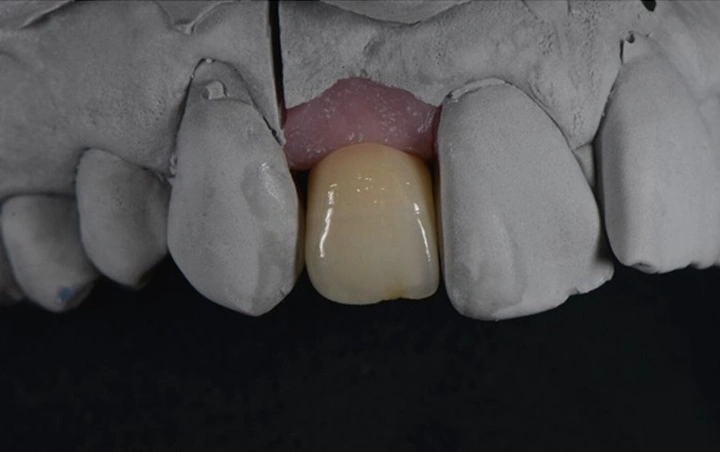
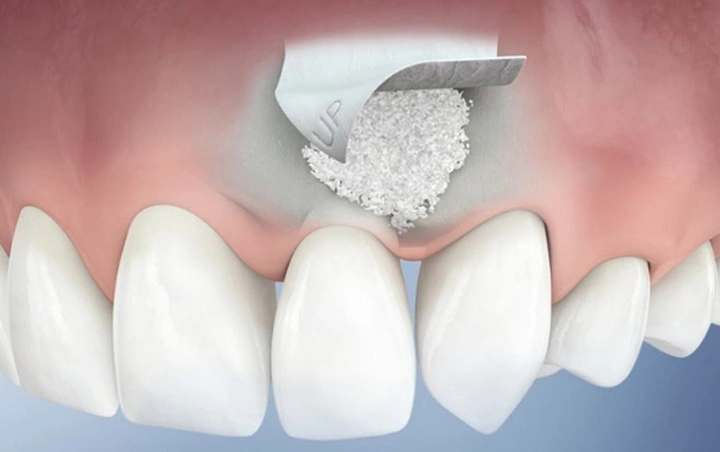
Bone grafting involves taking small amounts of bone from other areas of the mouth, combining it with artificial bone and then placing it in the area where bone has been lost. The transplanted bone is then covered by a membrane and left to heal. The procedure can be done prior to implant surgery or at the same time. Like all surgical treatments, considerations and risks apply.
Sinus Lifts for Dental Implants
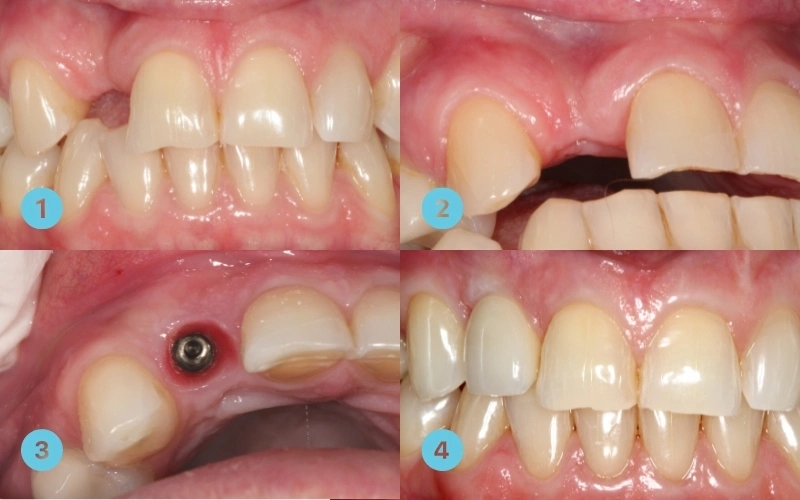
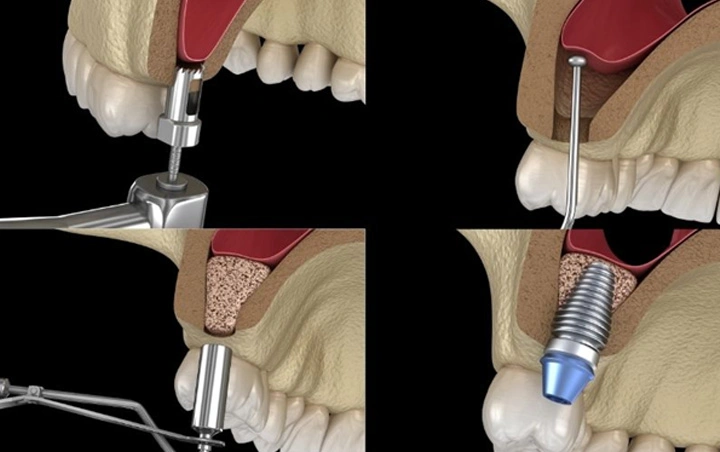
A sinus lift is a type of bone graft used to restore missing jaw bone. When you go without back upper teeth for a long period of time, the jaw bone thins out, causing the sinus floor to drop into the space where the tooth roots previously were.
A sinus lift is typically performed under IV sedation at the clinic, or general anaesthesia in hospital.
Bone Graft Materials
We use different types of bone graft material, depending on your individual needs. The types of bone grafts we use, include:
- A patient’s own bone (Autograft) taken from around the area the implant is being placed or another area of the mouth
- Donated human bone (Allograft) taken from cadavers at specialised bone banks
- Bovine bone (Xenograft)
- Synthetic bone (Alloplast) made from hydroxyapatite a naturally occurring mineral (main mineral component of bone) made from bioactive glass
Learn more about bone grafting by reading our blog Bone Grafting For Dental Implants.
Alternatively, if you’d like us to answer any questions you have, please contact the team at Perth Dental Implant Centre today.
Gum Grafts for Better Aesthetics
A gum graft is a surgical procedure used to correct gum recession and is commonly used alongside dental implant treatment.
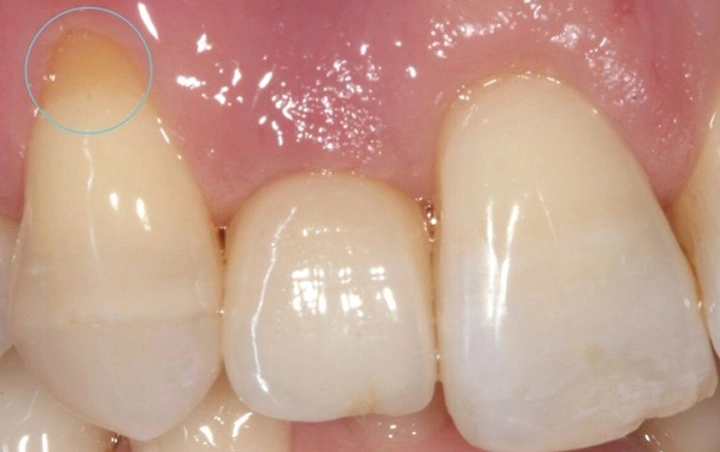
Gum recession occurs when gum tissue starts to pull away from teeth, exposing more of the tooth that’s usually hidden below the gum line.
Gum recession can be caused by a number of factors including poor oral hygiene, brushing too hard and aging. It can cause tooth sensitivity and make teeth look longer.
During a gum graft, small areas of gum tissue are taken from other areas of the mouth and carefully transplanted into the areas where gum is missing. A synthetic gum material called AlloDerm® can be alternatively be used to repair and strengthen damaged gums.
Book a Consultation
If you’d like to know more bout bone grafts or any other treatment to help support dental implants, contact our friendly team today.
People Also Ask
-
Will I need a bone grafting procedure?
-
Why do I need a 3D bone scan?
A 3D bone scan, also known as a CBCT scan, is an important part of planning dental implant treatment. It allows your dentist to accurately assess the quantity and quality of bone available for implant placement and identify important anatomical structures such as nerves, sinuses and neighbouring tooth roots.
Unlike traditional dental x-rays, a CBCT scan provides a detailed three-dimensional view of your jaw. This helps your dentist determine whether dental implants are suitable for you, identify any additional procedures that may be required, and carefully plan the position of each implant before treatment begins.
At Perth Dental Implant Centre, we believe thorough planning is essential for achieving predictable outcomes. By using 3D imaging, we can minimise risks and develop a treatment plan tailored to your individual anatomy.
We have in-house CBCT scanners at both of our clinics, allowing us to complete your scan during your consultation and discuss the results with you on the same day. The cost of a 3D bone scan is $226.

-
What is a bone graft?
A bone graft is a surgical procedure that builds up lost jaw bone. It can be performed before dental implant surgery or during the same surgery.
-
What is bone grafting material made of?
Four types of bone graft materials exist including a patient’s own bone, donated human bone, animal bone (usually bovine) and synthetic bone. At Perth Dental Implant Centre, we use a bone material option most suited to your needs.
Book a Free Consultation
We provide high-quality treatment at competitive prices with our highly experienced dentists. Find out if dental implants are right for you. Book your free consult & 3D scan today. T&Cs apply.
 All-on-4® Download e-Book